Republic of China at 77: Drawing on lessons for Nepal from impressive Chinese development
Beijing (China), 1 Oct/
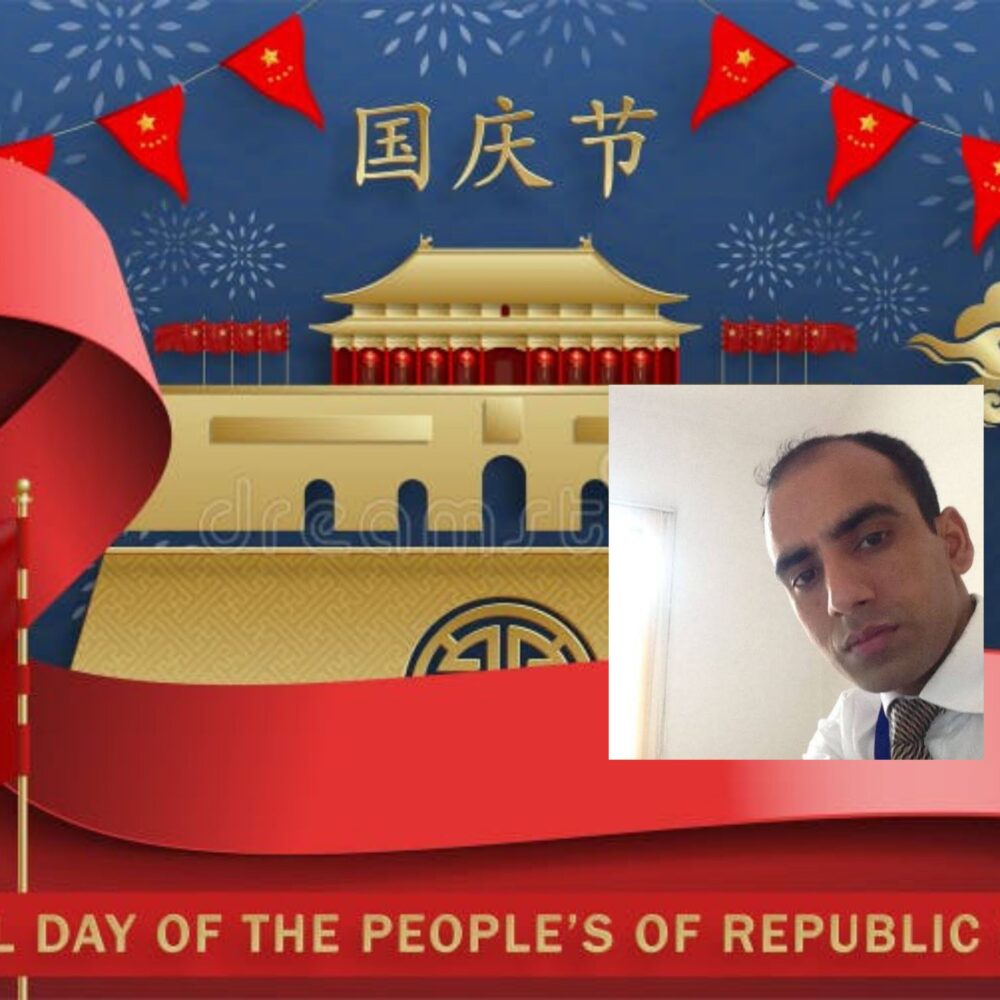
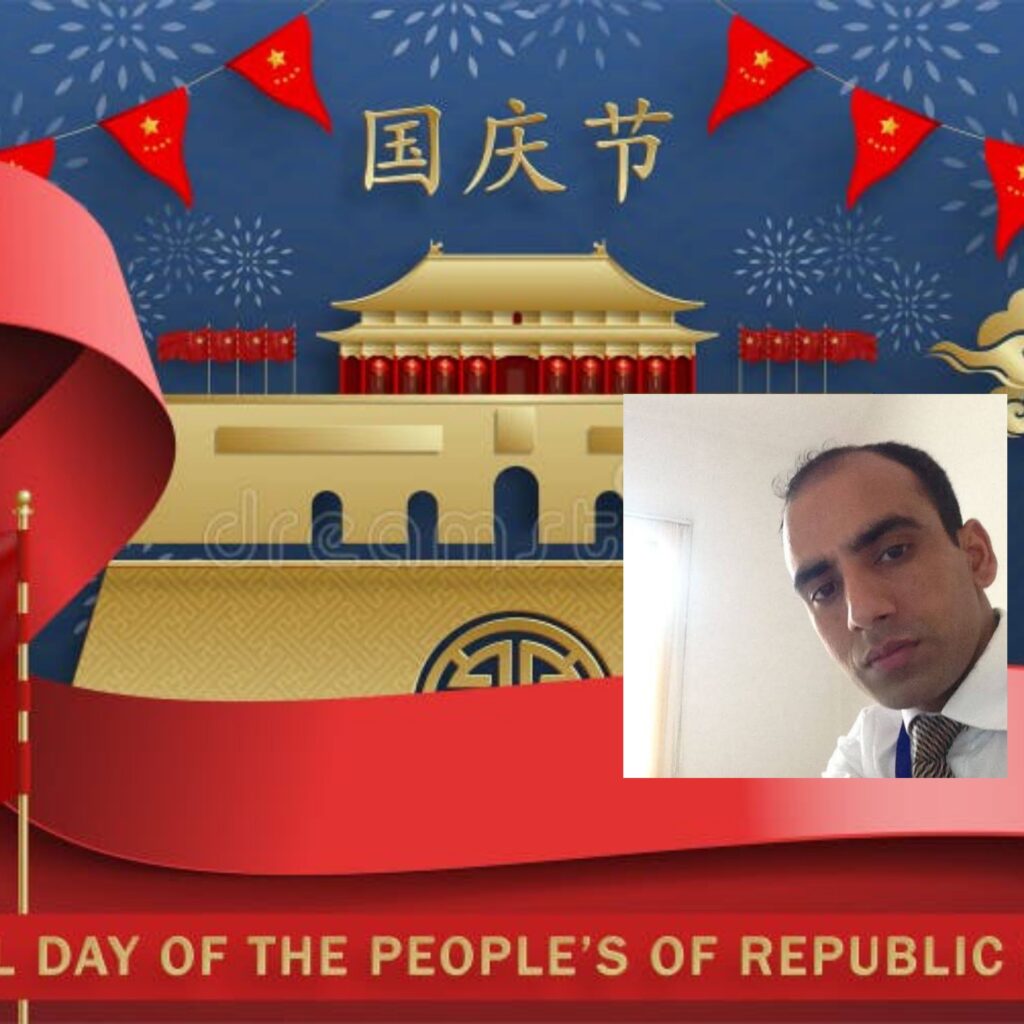
Today Nepal’s northern neighbour, the People’s Republic of China, is celebrating the 77th anniversary of its founding with much fanfare, as the major thoroughfares in Beijing are decorated and people here have embarked on trips for the weeklong national holiday.
 The founding of the PRC in 1949 after 28 years of the civil war under the leadership of the Communist Party of China (CPC) is the greatest milestone in the Chinese history since the party has led China from a poor rural agrarian nation to the current status of the second largest economy in the world and lifting nearly 800 million people out of poverty since the founding of the PRC.
Today, China is the world’s major economic powerhouse with a leader in global manufacturing industry, world’s major source of tourism, AI and many other indicators and the CPC was the start of the transformation of China from a divided, war-torn country to the existing moderately prosperous country. It is the success of the CPC that allows China to play the role of an economic and political leader to other countries in the 21st century.
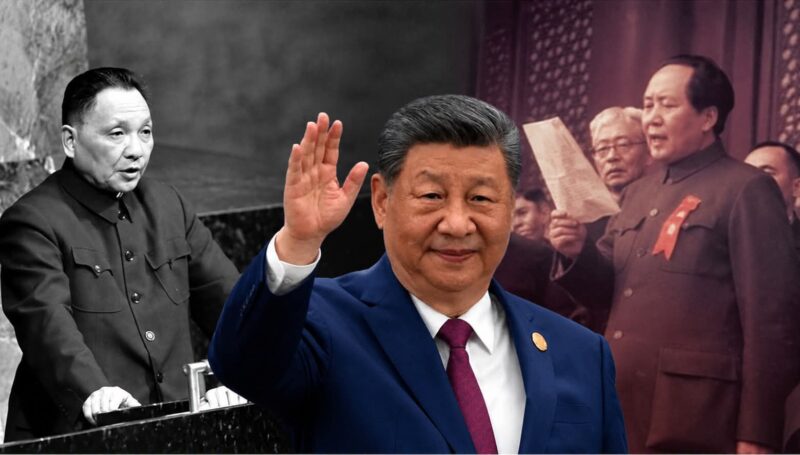
Over the past 77 years, the CPC has led the Chinese people in achieving two miracles: rapid economic growth and enduring social stability, Chinese President Xi Jinping said in a statement ahead of the National Day. “The great rejuvenation of the Chinese nation is unstoppable. As long as we remain confident, stay focused on our goals and move forward steadily, step by step, success will ultimately belong to the CPC, the Chinese people and the People’s Republic of China,” the Chinese President added.
President Xi’s remarks speak volume of the radical transformation made by a nation that rose to prominence by leaving aside foreign interference, internal conflict, hunger, poverty and economic deprivation. Since the founding of the PRC in 1949, China’s per capita income has increased miraculously, from one of the lowest in the world to that of a robust upper-middle-income society in 2026.
Before 77 years, China’s GDP per capita was less than 50 US Dollar, making China as one of the poorest countries then. In 2001, China crossed the benchmark of 1,000 US Dollar and the GDP per capita of China is nearly 14,000 US Dollar by transforming from a low-income country to a moderately prosperous society within a decade or even close. Since then, the country has undergone a profound transformation, achieving what is often described as “two miracles”: rapid economic growth and long-term social stability. These achievements span multiple dimensions, from economic and technological development to social welfare and global engagement.
According to Professor He Wenping of Chinese Academy of Social Sciences, China has contributed around 35 per cent of global economic growth on an average for the past several years and it will continue to do so, thanks to Belt and Road Initiative (BRI) and other development initiatives globally, while massive advancement in agriculture, science and technology, innovation, infrastructure development and enhanced consumption at home. Such remarkable achievements were achieved due to
Similarly, China’s impressive development in infrastructure, connectivity, high-speed train, EV, clean energy and scientific innovation have much more impressions to share with the emerging economies of the global south. China has been a champion of global south and has offered multiple forums and platforms for the developing countries including Nepal. The countries from the global south have been receiving supports on connectivity, policy coordination, development efforts, financing and other measures from the China-led forums for bolstering south-south cooperation, which ultimately have enhanced multilateralism.
Benefits for Nepal
It is natural for Nepal to applaud a rising China, expect more from a neighbour’s development and intensify its engagements in multiple levels. So, there have been substantial engagements between Nepal and China since long past and such cooperation has increased lately. Such cooperation has been recorded in trade, people-to-people exchanges, academic cooperation, tourism, investment and other areas. Nepal has also addressed China’s core concerns while China has also been a partner in Nepal’s development endeavours. Some weeks ago, after the Bhotekoshi mudslide, Chinese Assistant Foreign Minister Hong Lei told RSS that China and Nepal are on the same page in this disaster too. China is ready to extend support Nepal in the time of suffering caused due to the natural disaster, he added.
Dr Saroj Gautam, a researcher at the Center for Nepal Studies of East China University of Technology, observed that the Chinese society has high sense of collectivism and the people here are ready to sacrifice their self-choices for the greater good for larger population, adding that this is one of the best things to maintain social harmony and stability in a country with massive population.
In regard to Nepal-China partnership, Dr Gautam viewed that we should develop the highest level of communication, should intensify execution level of our commitments to implement the existing niceties into practice.
As an immediate neighbour and the people with a modest economic status, China is a great source of tourism for Nepal and will ensure a very quick result for our tourism, which has suffered some setbacks since last year. As China is the number one source country for tourism globally, the number of Chinese tourists could be increased three-fold.
So, with the change in the global and regional contexts, Nepal-China relationship is also evolving and this is the right time to gain maximum benefits from our bilateral cooperation as political stability has been maintained in Nepal under the leadership of Rastriya Swatantra Party (RSP) and China has moved ahead as a global leader in economy and technological advancement.
As the major development achievements allow countries, such as Nepal, to gain ideas that will enable the growth of the country and the development of new infrastructures to new heights. Nepal’s partnership with China is often described by the leaders of both nations as connected by mountains and rivers and being trouble-free. So, the two countries’ friendship and cooperation based on trust and common goals should go shoulder on shoulder in the world that is undergoing though enormous changes.