
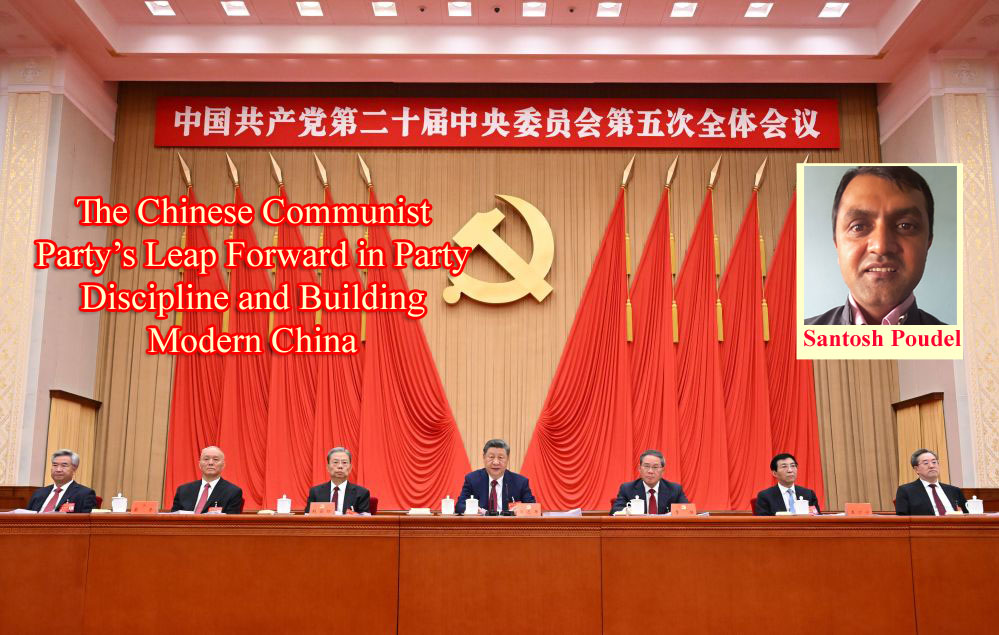
The Chinese Communist Party’s Leap Forward in Party Discipline and Building Modern China
The Fifth Plenary Session of the 20th Central Committee of the Communist Party of China (CPC) concluded on October 29 with several far-reaching decisions. The session has drawn considerable attention from international political and economic circles regarding the future direction and pace of Chinese society, particularly following decisions aimed at strengthening internal party discipline, combating corruption, promoting organizational rectification, and advancing socialist modernization. Held under the leadership of President and CPC General Secretary Xi Jinping, the meeting sent a clear message about the importance the CPC attaches to discipline and self-improvement within its organizational structure.
Since the establishment of the People’s Republic of China (PRC) under the leadership of Mao Zedong on October 1, 1949, China has undergone extraordinary transformations and achieved remarkable progress in political, economic, social, scientific, and technological fields. China’s emergence from poverty, hunger, and backwardness as a modern industrial, scientific, and technologically advanced power is one of the most significant developments in contemporary world history. The important role and leadership of current President and General Secretary Xi Jinping in this transformation are clearly evident.
The revolution and nation-building efforts under Mao Zedong, Deng Xiaoping’s reform and opening-up policies, and the contributions of subsequent Chinese leaders have all played significant roles in this transformation. However, since Xi Jinping became General Secretary of the CPC in 2012, China appears to have entered a new phase of development, national rejuvenation, poverty alleviation, technological advancement, and party organizational strengthening.
Under Xi Jinping’s leadership, China has expanded its poverty alleviation campaigns, accelerated infrastructure development, invested heavily in advanced technology and scientific research, and strengthened its competitiveness in the global economy. The Belt and Road Initiative, digital economy, green development, electric vehicles, artificial intelligence, and space exploration are among the major examples of this progress.
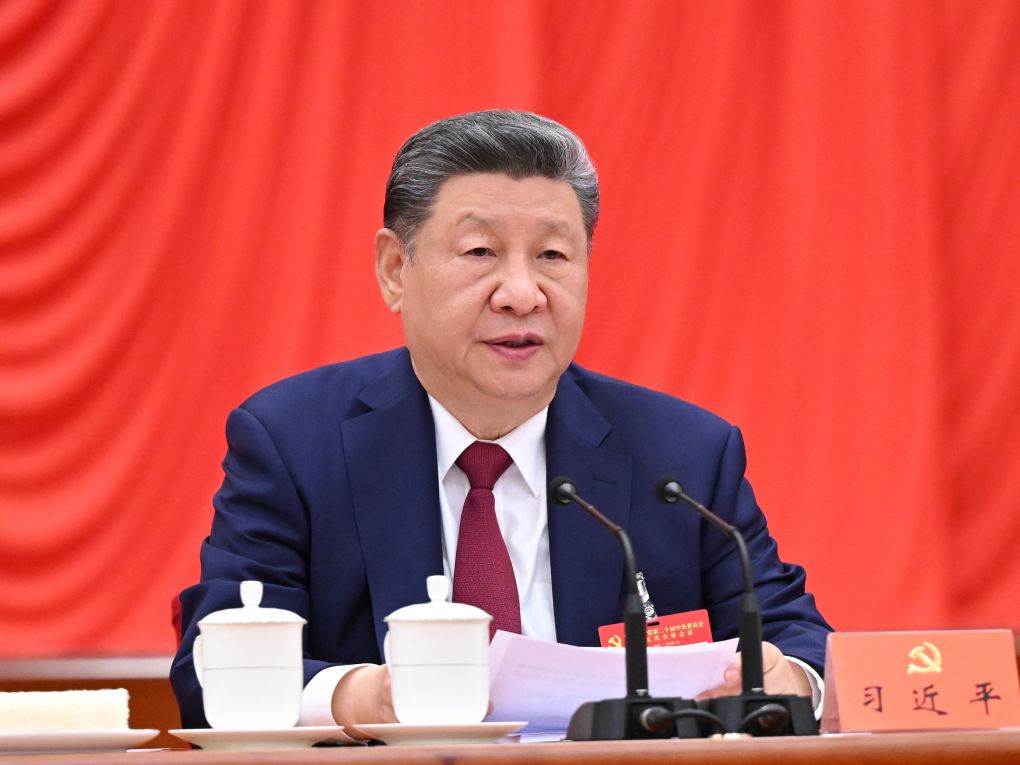
Socialism with Chinese characteristics, advanced under Xi’s leadership, presents a political and economic vision that integrates development with national independence. His leadership cannot be separated from China’s recent transformation. Nevertheless, these achievements are also the collective outcome of the hard work of the Chinese people, institutional continuity within the Party, previous reforms, and long-term national policies.
The central and historic significance of the recently concluded Fifth Plenary Session lies in its important proposals concerning party discipline, organizational rectification, political commitment, anti-corruption efforts, and the development of responsible leadership. These measures reflect fundamental principles of what it means to be a communist party.
The session emphasized strengthening the Party organization politically, making democratic centralism more effective, ensuring accountability among leaders at all levels, and maintaining consistency in implementing organizational decisions. These measures should be understood as strategic approaches to strengthening the position of the communist system in the hearts and minds of the people in modern society.
In particular, the integrated approach to eliminating the courage, opportunities, and desire to engage in corruption is significant. Taking action after corruption occurs is not enough; building institutional mechanisms that prevent corruption from happening in the first place is equally essential. The central message is that corruption must be addressed through prevention, institutional reform, and strict accountability.
The meeting identified anti-corruption efforts as a fundamental pillar of party strengthening and adopted an integrated three-pronged strategy: ensuring that officials dare not be corrupt, cannot be corrupt, and do not want to be corrupt. To achieve this, strict action against corruption, institutional reforms, supervision of the exercise of authority, and the promotion of ethical conduct will be pursued simultaneously. The CPC has already begun implementing this approach in practice.
Action Against 34 Leaders: No One Is Beyond Accountability
Another important aspect of the session was the endorsement of disciplinary actions against senior Party and military officials. The meeting adopted a policy of taking action against disciplinary violations regardless of an individual’s position or status, from the highest-ranking leaders to lower-level officials. It was officially confirmed that 33 individuals had been expelled from the Party. The decision to remove Li Yunze from his Party position was also mentioned. These developments were beyond what many had anticipated.
Reports concerning serious violations of Party discipline and the law included former senior government officials, provincial leaders, military officers, and individuals associated with the defence sector. Bringing even high-ranking officials within the scope of disciplinary action sends a strong message that position, prestige, and power cannot serve as shields against accountability. However, transparency, fairness, and impartiality in the evidence, grounds, and procedures for such actions are equally important. The effectiveness of discipline must ultimately be ensured through a just process.
The disciplinary action against Ma Xingrui, a former member of the Political Bureau, has attracted particular attention because of his senior political position. Liu Jianchao, the former head of the CPC International Department, is another notable figure from the diplomatic sector. His case demonstrates that even senior officials responsible for managing the Party’s international relations are not beyond scrutiny.
Zhang Youxia, a former Vice-Chairman of the Central Military Commission, was another prominent military figure facing disciplinary action. His case has been viewed as a major development within the senior military leadership. Similarly, actions against officials in the economic and industrial sectors, including Jin Zhuanglong, Yi Huiman, and Li Yunze, indicate that senior levels of economic regulation and industrial administration have also come within the scope of this campaign.
The session also elected Zhang Shengmin as a member of the Political Bureau of the CPC Central Committee. In accordance with the Party Constitution, ten alternate members of the Central Committee were also promoted to full membership.
These decisions are presented as the outcomes of investigations and verification of facts rather than political prejudice. They are likely to offer important lessons and a strong wake-up call not only to political parties in China but also to revolutionary communist and left-wing parties around the world.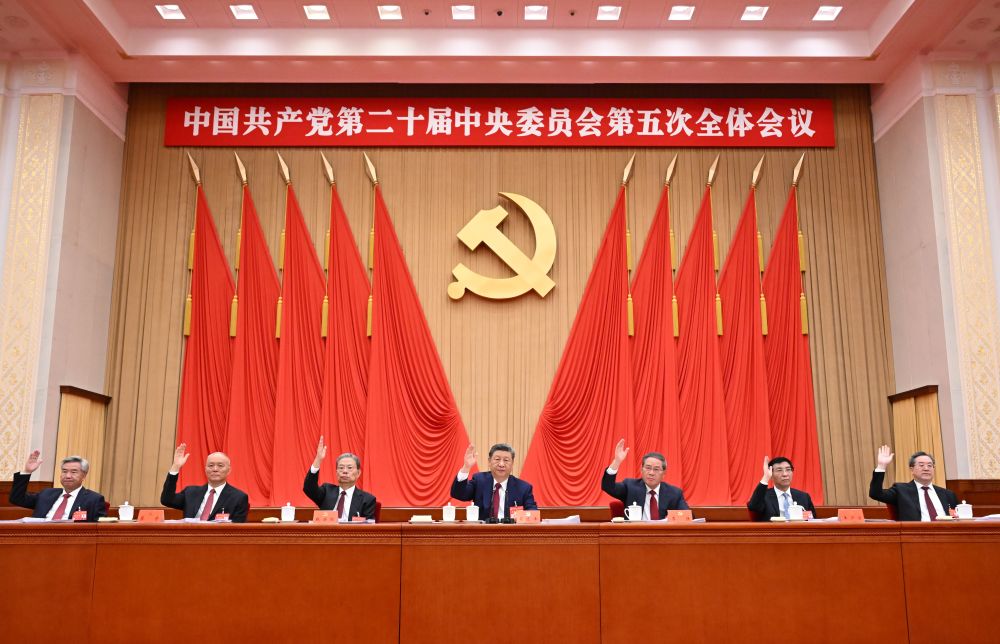
The CPC’s Focus on the Four Tests and Four Risks
The concepts of the ‘Four Major Tests’ and the ‘Four Major Risks’ mentioned in CPC documents are established principles concerning internal party organization, governance, and political discipline.
Among the four major tests facing the Party, the challenge of exercising long-term governance is considered particularly important. Maintaining public trust, good governance, and administrative capacity while remaining in power for an extended period is a major challenge.
The second is the test of reform and opening-up. This concerns maintaining the socialist political direction amid economic reforms, market-oriented development, and international competition.
The third is the test of the market economy. It involves controlling inequality, vested interests, economic distortions, and opportunistic tendencies that may emerge from market-based economic activities.
The fourth is the test of the external environment. This relates to safeguarding national interests and maintaining the Party’s political direction amid international power competition, geopolitical tensions, and external influences.
Similarly, the Party has identified four major risks.
The first is the risk of declining political vitality and enthusiasm, in which revolutionary spirit, commitment, and motivation among leaders and cadres gradually weaken.
The second is the risk of declining competence and capacity, referring to the weakening of leadership and organizational capabilities in responding to changing circumstances and emerging challenges.
The third is the risk of becoming detached from the people. This occurs when the Party and its leadership become increasingly disconnected from the real problems, needs, and expectations of ordinary citizens.
The fourth is the risk of corruption and misconduct, involving the misuse of positions, power, and authority, as well as the growth of corruption, self-interest, and indiscipline.
The CPC interprets these four tests and four risks as eight interconnected challenges directly related to its long-term existence as a ruling party and the strengthening of its organizational structure.
By acknowledging governance, economic reform, the market economy, and the external environment as its four major tests, and declining political enthusiasm, organizational weakness, detachment from the people, and corruption as its four major risks, the Party recognizes that its greatest challenges do not come solely from external competition. They also emerge from within its own organization, leadership, working practices, and relationship with the people.
For a communist party that has remained in power for a long time, these eight concepts provide an important theoretical foundation for understanding the necessity of self-examination, self-improvement, and strengthening relations with the people.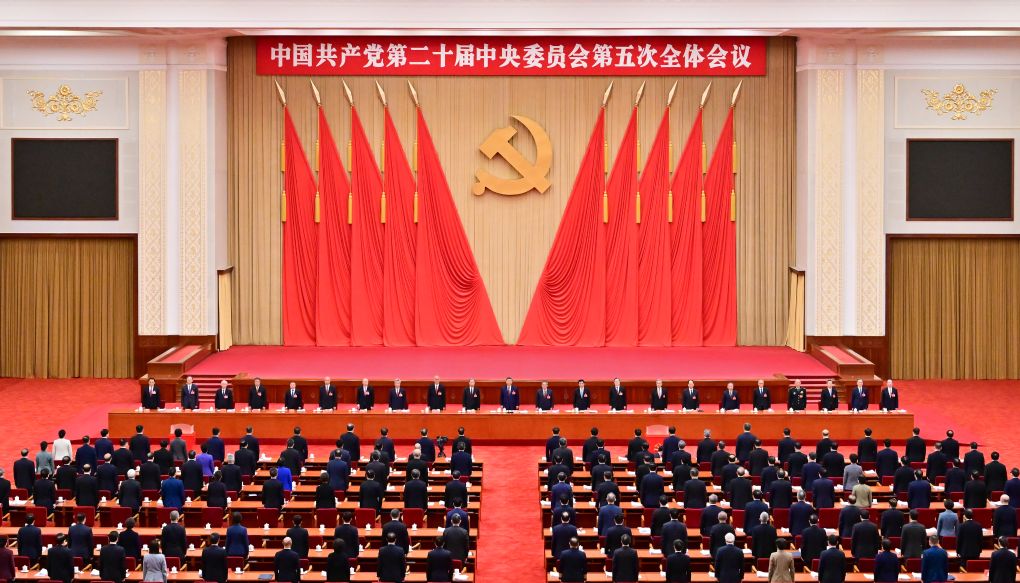
China’s Future Development Roadmap
China is moving forward with the implementation of its 15th Five-Year Plan for the period 2026–2030. Its major priorities include high-quality development, scientific research, technological self-reliance, expansion of domestic consumption, a green economy, social security, and national security.
The concept of Chinese modernization advanced by President Xi Jinping goes beyond simply increasing gross domestic product. It places people’s living standards, national capabilities, social stability, and environmental balance at the center of the country’s development strategy.
China has set the goal of becoming a fully modern socialist country by 2049, when the People’s Republic of China will celebrate the centenary of its founding.
When viewed in the context of China’s 77-year journey from 1949 to 2026 and its objectives for the next 23 years, its development strategy appears to be based on a long-term national vision. In this context, China is steadily building the foundations to emerge as one of the world’s leading global powers.
Lessons for Nepal’s Communist Parties
The latest meeting of the CPC Central Committee should also become an important subject of study and self-examination for Nepal’s communist movement.
Communist parties in Nepal have made historic contributions to revolution, political transformation, the establishment of a republic, and social justice. However, they have also faced considerable criticism for failing to deliver good governance, economic prosperity, organizational discipline, and political integrity in line with public expectations after reaching positions of power and government.
Nepal’s communist parties should learn several important lessons from China.
First, they should cultivate a culture of internal party discipline and self-reflection. Individuals entrusted with party responsibilities must prioritize the interests of the people over personal wealth, positions, and power.
Second, a zero-tolerance policy against corruption and irregularities must be implemented in practice. The tendency to provide political protection to party leaders and cadres accused of corruption must come to an end.
Third, democratic centralism, collective decision-making, and individual accountability must be clearly established within party organizations. Leadership selection should prioritize merit, competence, integrity, and performance.
Fourth, political parties must not limit themselves to elections and the pursuit of state power. They should reach out to the people with concrete programmes for production, employment, education, healthcare, agricultural modernization, industrialization, and the development of the national economy. Party committees and leadership should be accountable to and endorsed by the people.
Fifth, priority should be given to generational leadership transition, ideological clarity, and organizational renewal. Criticism and self-criticism within the Party should not remain mere formalities; they must become instruments for changing attitudes and improving practical performance.
The CPC’s Commitment to Implementing Its Principles
The session decided to hold the Party’s 21st National Congress in the second half of 2027. It also sent a clear message that the CPC would continue implementing Xi Jinping Thought on Socialism with Chinese Characteristics for a New Era while advancing party self-improvement, discipline, and organizational strengthening.
The Party intends to prioritize internal discipline, corruption control, and organizational reform while simultaneously preparing for its next National Congress and pursuing the objectives of socialist modernization.
The session concluded that preserving the historic achievements of Chinese society and the CPC requires continuous organizational improvement. It emphasized achieving long-term political objectives through a disciplined organization and strengthening the foundations of a revolutionary party against corruption, factionalism, opportunism, and personal interests.
Conclusion
Under Xi Jinping’s leadership, China’s campaign for socialist modernization, national rejuvenation, and rigorous party self-governance has become an important subject of study and a significant milestone in contemporary world politics.
Xi’s leadership has given new momentum and direction to China’s recent development journey. At the same time, the CPC’s experience highlights the importance of maintaining close relations with the people, promoting honest leadership, enforcing strict discipline, building a corruption-free organization, and pursuing production-oriented development as essential foundations for the future of the communist movement.
The success of a communist party cannot be measured solely by its ability to acquire state power. Its real success lies in maintaining public trust, ensuring that its organization remains clean and accountable, and leading the nation towards prosperity.
Overall, under Xi Jinping’s leadership, the Communist Party of China has made a remarkable and unprecedented leap forward in party discipline, organizational transformation, and socialist modernization.
(Mr. Poudel is the Central committee member of Nepali Communist Party and the member of central propaganda department)- Editor